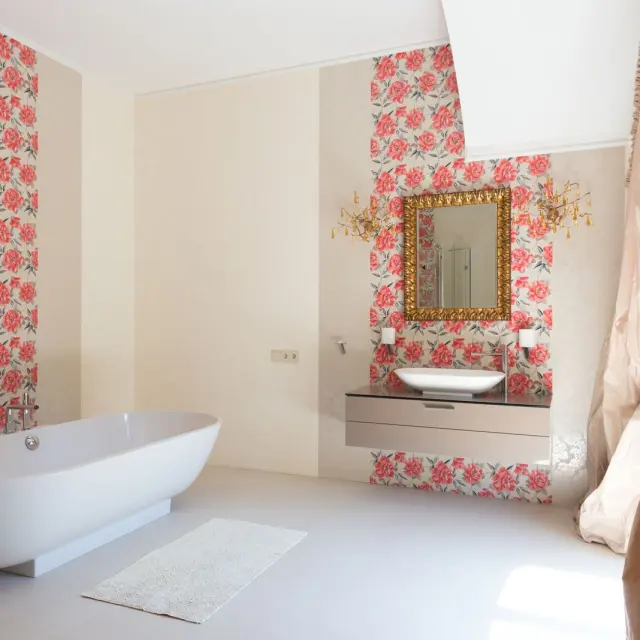

Worried a budget bathroom makeover will cost thousands you don’t have? You can refresh one for roughly $2,000-$5,000 by swapping fixtures, paint and hardware, while protecting the three things that matter: waterproofing, ventilation and drainage.
This guide is one of the site’s home improvement projects pieces, so it focuses on the choices that stretch a small budget furthest.
| Item | Value |
|---|---|
| Basic cosmetic refresh (fixtures, paint, hardware) | $2,000-$5,000 |
| Full gut renovation of a primary bathroom | $15,000-$25,000 |
| Contingency to set aside | At least 10% of the total budget |
| Labor share of the total budget | 40% to 50% |
| Minimum exhaust fan for a bathroom up to 100 sq ft | 50 CFM |
| Typical resale return on a bathroom remodel | 60-70% of costs |
The figures come from Shipshape’s bathroom remodel guide and This Old House’s bathroom remodeling overview. Costs and rules of thumb change with location and over time, so check the sources before you rely on them.
Where should the money go first in a budget bathroom makeover?
Spend first on what you can’t see. Shipshape’s remodel guide says the three non-negotiable elements of any bathroom remodel are waterproofing, ventilation and proper drainage, and that everything else is aesthetic preference.
The stakes are real. A beautifully tiled shower with no waterproofing membrane will destroy the wall framing behind it within 2-5 years, according to Shipshape. If you do re-tile a shower, its cost table lists liquid-applied membranes at $0.75-$1.50 per sq ft, a small line item next to a framing repair.
Green Building Advisor adds that gypsum drywall, even the moisture-resistant kind, should never go under tile in a shower or around the tub. It also names active water leaks and a lack of mechanical ventilation as top priorities to correct.
A fan upgrade is the cheapest of the basics
If your bathroom has a weak fan or none, fix that before you buy anything decorative. These Shipshape guidelines help you choose:
- Size: at least 50 CFM for bathrooms up to 100 sq ft.
- Noise: 0.3-1.0 sones is considered quiet, and above 3.0 is noisy.
- Controls: humidity-sensing fans switch on automatically, and a timer can run the fan for 20 minutes after use.
- Exhaust path: it must terminate to the exterior, never into the attic, soffit or a wall cavity.
Humidity left in the room deteriorates surfaces, grout and paint, and it can lead to mildew or mold, as Bob Vila’s remodeling-mistakes article explains. To test an existing fan, hold a square of toilet tissue to the vent: if it stays up on its own, air is still flowing.
Low-cost upgrades that change how the room looks
The biggest saving is keeping the layout. Green Building Advisor notes that using the space you already have is the least expensive option, and Shipshape calls scope the biggest cost driver because plumbing and electrical upgrades often become necessary once walls are opened.
Inside a cosmetic refresh, these swaps give the most visible change per dollar:
- Showerhead and faucet: Green Building Advisor suggests low-flow shower heads and water-conserving aerators on sink faucets.
- Toilet: match the rough-in, which Bob Vila says is typically 12 inches from the finished wall to the center of the drainpipe, though it varies by toilet.
- Caulk: This Old House says silicone-based caulk is typically best, and its plumbing expert Tom Silva says he only likes 100% silicone for wet joints.
- Existing floor: reuse existing subflooring and flooring where possible, per Green Building Advisor.
For the walls, the guide on how to paint a room covers preparation and technique. Green Building Advisor suggests paints, finishes, grout and caulk that are low in VOCs.
If storage is the goal, the guide on how to hang floating shelves covers the mounting. Pick shelf material with care, because Green Building Advisor warns that lower grades of particleboard or MDF are not moisture tolerant at all.
Tile, shower and tub choices and what they cost
Tile and tub choices swing a budget more than almost anything else. This table shows typical ranges from the cost tables in one remodel guide.
| Option | Typical cost |
|---|---|
| Custom tiled shower | $3,000-$10,000+ |
| Acrylic or fiberglass shower insert | $1,000-$3,000 |
| Standard alcove tub | $200-$1,000 |
| Porcelain tile | $3-$15 per sq ft |
| Ceramic tile | $1-$10 per sq ft |
These ranges come from Shipshape and will vary by region. The same guide describes an insert as quick to install, seamless and grout-free, but with limited styles, a look that can seem cheap, and no way to repair it.
Ceramic is the budget-friendly pick for walls: Shipshape calls it fine for walls, with porcelain better for floors, and This Old House describes it as popular for its affordability and durability. The same article says vinyl is cheap and easy to install, often as simple as peel-and-stick, and it is completely resistant to moisture.
Skip porous natural stone on a tight budget, since it can absorb spills and stain unless sealed regularly. For traction, This Old House says mosaics have many grout lines that offer better slip resistance, and it recommends textured surfaces, matte finishes or sand-containing glazes in wet areas.
Think twice before removing your only bathtub. This Old House recommends having at least one tub in the house for resale purposes.
How much should you keep in reserve for surprises?
Labor alone can account for 40% to 50% of the total budget, according to This Old House. That is why doing simple tasks yourself, such as painting, is where a tight budget gains the most.
This Old House recommends setting aside at least 10% of the total for unexpected issues, and its home builder Jeff Sweenor suggests keeping 15 to 20 percent in reserve. Bob Vila gives the same 15 to 20 percent advice for surprise expenditures.
The surprises tend to involve water. This Old House’s research found these were the most common unexpected expenses:
- Water damage repairs, in 24% of projects.
- Structural repairs, in 22% of projects.
- Mold remediation, in 18% of projects.
Keeping the work cosmetic is also what keeps you out of the next price bracket. Shipshape puts a full gut renovation of a primary bathroom at $15,000-$25,000, against $2,000-$5,000 for a basic refresh.
If you plan to sell soon, This Old House advises focusing on cosmetic updates that appeal to buyers.
Mistakes that turn a cheap refresh into an expensive one
Bob Vila’s article warns that picking the wrong materials or laying out the space carelessly means spending money later to fix the results. Watch for these:
- Skipping the fan. Without proper ventilation, humidity gets trapped in the room.
- Having no plan. Write down precise measurements, anticipated costs, a list of materials and a timeline.
- Using the wrong materials. Choose materials designed specifically for the bathroom to prevent warped or mildewed floors, walls and vanities.
- Setting an unrealistic budget. If you overspend, you will have to cut corners somewhere else.
- Ignoring small errors. Fix mistakes as they occur, even the smallest ones, because you will notice them every time you use the room.
A short written plan and a reserve fund prevent most of these problems before they start.
Frequently asked questions
How much does a budget bathroom makeover cost?
Show answer
Shipshape says a basic cosmetic refresh with new fixtures, paint and hardware runs $2,000-$5,000. Add a reserve on top for surprises.
Can you refresh a bathroom without moving the plumbing?
Show answer
Yes, and it is the cheaper route. Green Building Advisor says using the space you already have is the least expensive option.
What should you never skimp on?
Show answer
Waterproofing, ventilation and proper drainage, per Shipshape. This Old House adds that it doesn’t pay to skimp on caulk.
Is a budget makeover worth it before selling?
Show answer
This Old House advises cosmetic updates if you plan to sell soon. Shipshape says bathroom remodels consistently return 60-70% of costs at resale.