Want farmhouse decor ideas that feel lived-in rather than themed? You can get there with neutral walls, honest wood, simple fabrics and a few old pieces you actually use.
This guide sits inside a wider collection of home decor ideas for every room.
| Item | Value |
|---|---|
| Roots of the farmhouse idea | Europe, 16th and 17th centuries |
| Sister Parish’s American Country Style revival | 1930s |
| Fixer Upper debut | 2013 |
| Fixer Upper audience | Nearly 4 million people |
| Hearth & Hand launch at Target | November 2017 |
These figures come from Hunker’s farmhouse style overview and Homedit’s farmhouse guide. They can change, so check the source before you rely on them.
Where does farmhouse style come from?
Farmhouse style began as practicality, not as a look. Hunker traces the root of the notion to Europe in the 16th and 17th centuries, and says early farmhouses used wood and stone cleared from the fields.
The homes were plain but cozy, a place for farmers to rest after a long day of work. Floor plans often centered on the kitchen, which is why the kitchen and hearth still feel like the heart of the style.
Later, designers such as Sister Parish brought the look back. Homedit notes that in the 1930s she revived farmhouse-style decor with plaid fabrics, painted wood furniture and a neutral palette.
The version most people picture arrived after Fixer Upper debuted in 2013. Hunker describes that modern farmhouse look as shiplap, exposed beams, antique accents, handmade furniture and a neutral palette.
The decor that came between those two moments went too literal. Hunker quotes designer Joe Murphy on rooster curtains and painted signs, and says the style veered towards kitsch, the opposite of its original purpose. The lesson for your home: keep what is useful and skip the props.
Start with a neutral base of walls and wood
A neutral backdrop is what lets old and new pieces sit together. Bob Vila suggests greige or white walls paired with crisp black or white trim for coziness with clean lines.
Neutral does not have to mean gray. Chairish encourages a palette inspired by nature, such as earthy greens and sunny yellows, and Homedit says modern farmhouse plays more with blue, green and black than the classic creams, beiges, whites and grays do.
Keep the wall treatments quiet:
- Shiplap pays homage to countryside living without being the focal point.
- Board and batten is typically painted to blend in.
- A brick fireplace can be limewashed to brighten the room and keep the texture of the brick.
- Natural wood tones come from a reclaimed dining table, raw-edge open shelves or a raw wood coffee table.
Bob Vila’s list of characteristics also points to wood, natural fibers, stone and leather as the materials that bring the outdoors in. Start with a few of these and add the rest slowly.
Mix rustic wood with modern metal
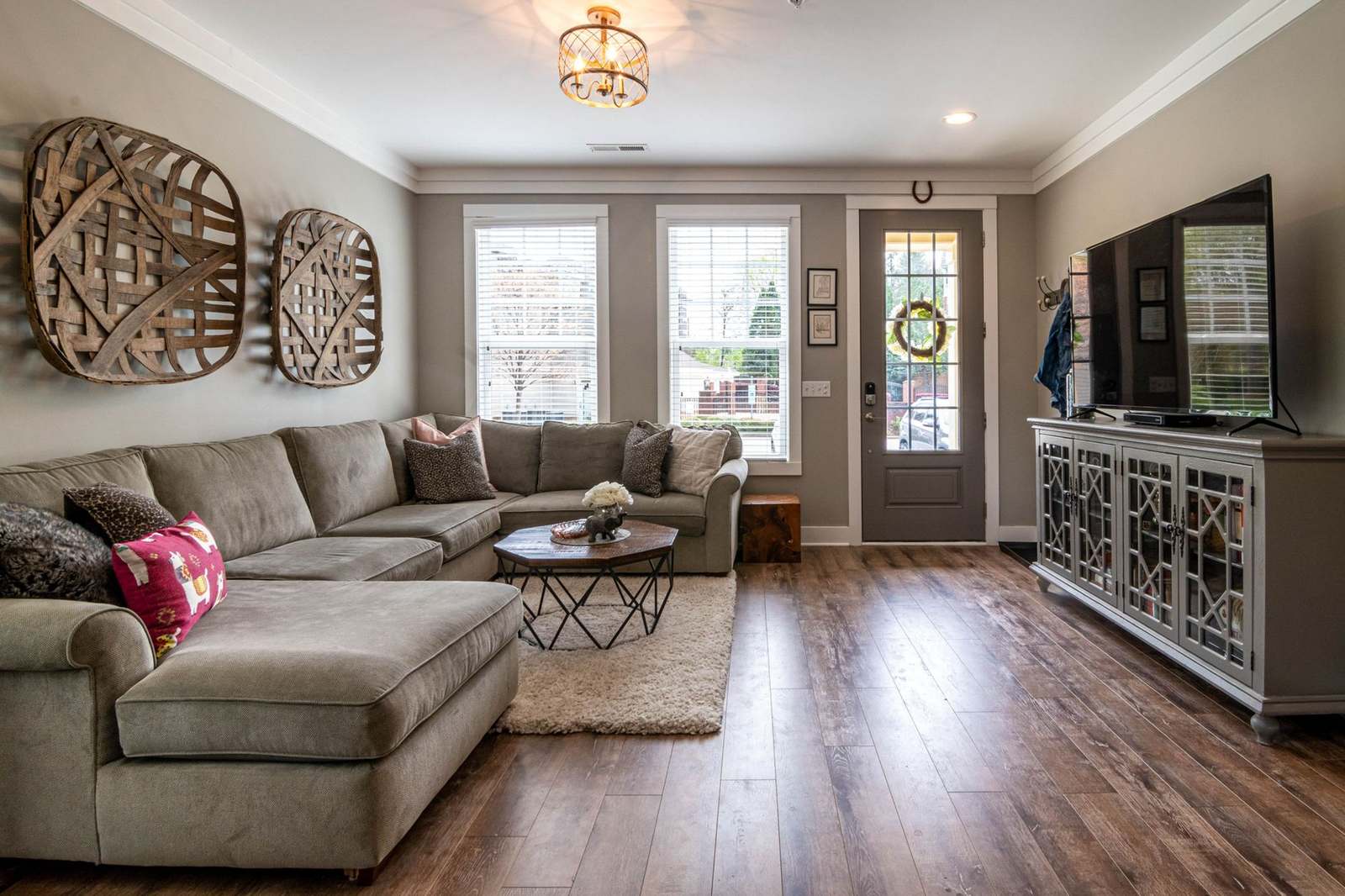
The modern version of the style depends on contrast. Bob Vila recommends pairing industrial metal, such as oversize light fixtures and sleek cabinet hardware, with distressed wood in rough-hewn flooring, raw-edge shelves or a classic farmhouse table.
Lighting is the easiest place to start. Chairish says pendants tend to be distressed bronze or copper, and dark black pendants are also used. Homedit adds that modern farmhouse lighting is often steel or metal and looks similar to industrial lighting.
A few details that signal the style without shouting:
- An apron sink and wood shelving in the kitchen.
- A sliding barn door in place of a standard swinging door, which Homedit calls typical of a modern farmhouse scheme.
- A barn-door silhouette as trim on cabinetry or a coffee table.
Choose furniture and fabrics that look used
Classic farmhouse comfort is oversized and worn-in. Homedit suggests couches with rounded arms and fluffy cushions rather than sleek silhouettes.
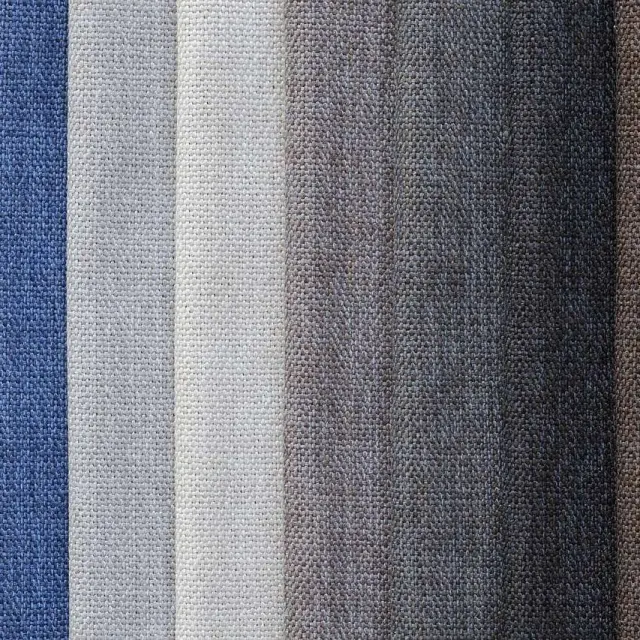
For fabrics, Homedit lists cotton and linen as standard, with plaid or buffalo check as common patterns. Chairish quotes designer Elizabeth Drake on keeping patterns, stripes, checks and organic florals simple, but not plain, and on vetoing furnishings that look too processed or manufactured.
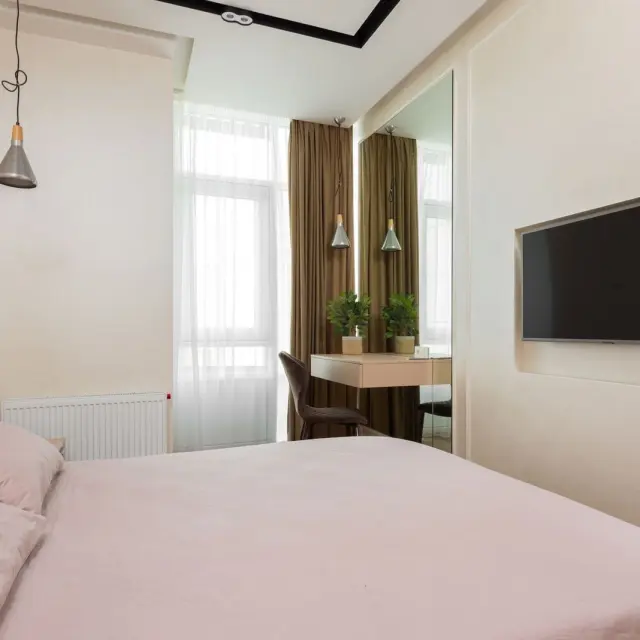
For a bedroom, Chairish describes this simple formula:
- A neutral headboard.
- Distressed nightstands.
- Simple table lamps.
- Thin curtains that let natural light in.
Because Bob Vila notes that bare windows bring in more natural light, you can skip heavy drapes and let the light do the decorating.
Edit until it feels lived-in, not themed
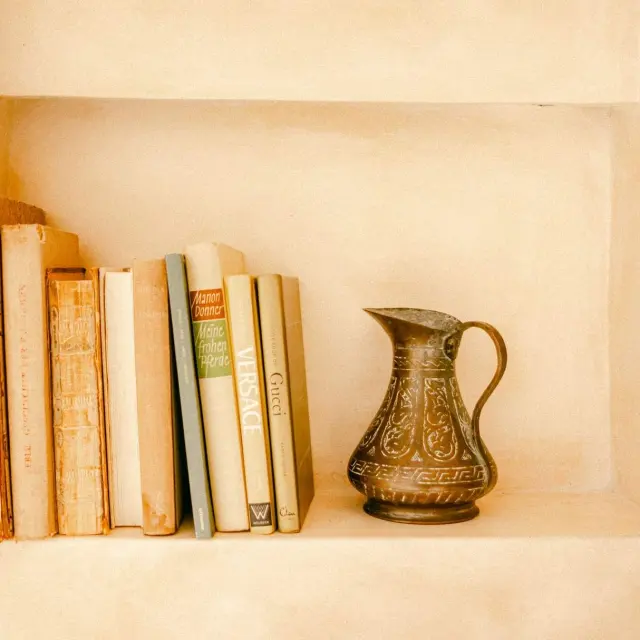
Bob Vila says necessities are tucked away in cabinets and drawers, with a few intentional vintage pieces on display. Fewer, better objects look more like a real farmhouse than a shelf of themed signs.
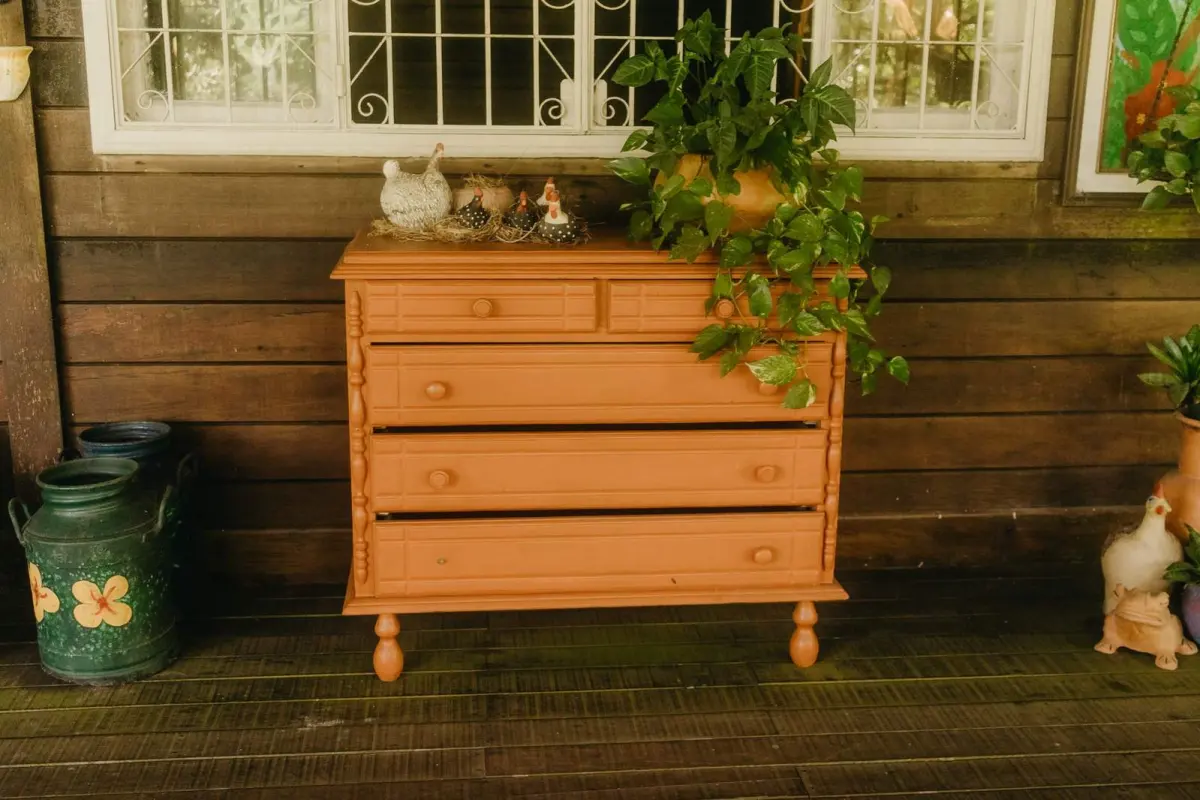
Choose accents that once had a job. Homedit points to vintage pieces with chippy paint or galvanized metal, and gives a wire mesh egg-collecting basket as an example of an accent with a purpose.
Mix old with new, but keep the balance. Bob Vila gives the example of an heirloom coffee table beside minimalist art, and says the key is a cohesive balance of vintage items and modern touches.
Art can still earn a place on the wall. If you want a collection on a plain neutral wall, these gallery wall ideas show how to arrange it without cluttering the room.
The style is also flexible. Hunker says some homes add boho details such as woven furniture and punchy patterns, and if that appeals to you, these boho decor ideas go further.
Frequently asked questions
What colors work best for farmhouse decor?
Show answer
Neutrals are the safe base. Homedit lists creams, beiges, whites and grays for the classic palette, and says the modern version adds more blue, green and black.
Do I need shiplap and barn doors for a farmhouse look?
Show answer
No. Bob Vila says shiplap should pay homage to countryside living without being the focal point. Barn doors are typical of modern farmhouse schemes, according to Homedit, but they are one option, not a requirement.
Can farmhouse style work in a city home?
Show answer
Yes. Hunker says the modern look suits urban homes as well as rural ones, and Bob Vila says it appears everywhere from rural homesteads to luxury high-rise apartments.
How do I stop farmhouse decor from looking kitsch?
Show answer
Skip literal props such as rooster curtains, which Hunker says pushed the style towards kitsch. Choose natural materials, simple patterns and pieces with a real use instead.